
AFLIBER, the database of the distribution of Iberian and Balearic vascular flora, has been updated

The SEBOT Chorology Working Group (https://www.sebot.org/grupos-de-trabajo/#corologia) has published AFLIBER v.2, a new version of the database on the distribution of Iberian and Balearic vascular plants. Following several years of compiling and filtering published citations and records from regional repositories and databases, more than four hundred thousand new data entries have been added (the database now exceeds three million) and more than 3,000 erroneous or dubious citations included in the previous version have been corrected. Like its predecessor, this is an open-access database, useful to the botanical community and other researchers and biodiversity managers.
AFLIBER v.2 has been published in SEBOT’s own journal, Mediterranean Botany: https://revistas.ucm.es/index.php/MBOT/article/view/106425. You can also search for and download data and maps via the app at Shinyapp updated: https://afliber.shinyapps.io/afliber/
The ongoing updating of AFLIBER has been incorporated as a future task within SEBOT’s Chorology Working Group, which plans to adapt and update its taxonomic treatment and increase the level of detail to include locations with 1 km precision, amongst other forthcoming improvements.
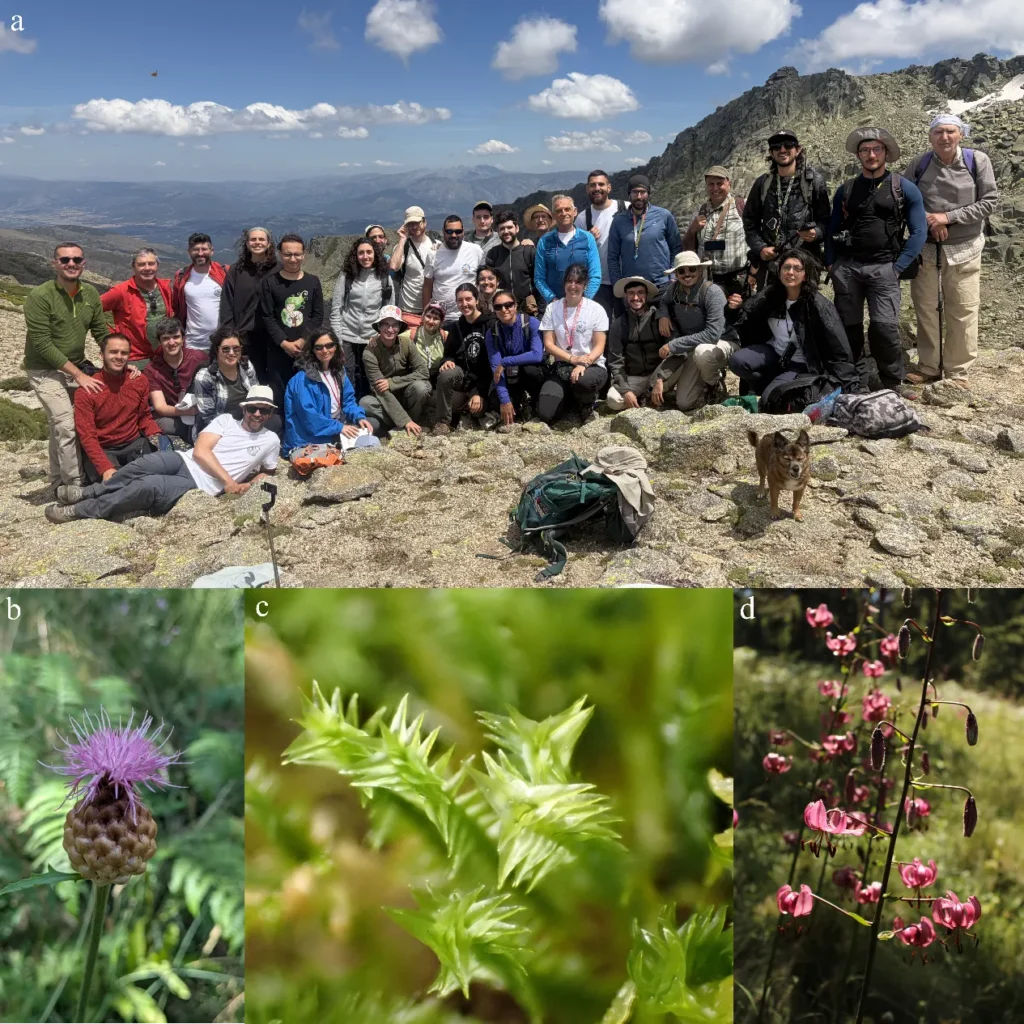
The Spanish botanical community describes 80 new species in 2024 and 2025
In recent years, Spanish botany has maintained a prominent position on the international scientific scene thanks to the intensive research carried out by members of the Spanish Botanical Society (SEBOT). With around a thousand members and steady growth, SEBOT brings together highly qualified professionals who form a collaborative network with an international reach. SEBOT’s scientific commitment is reflected in its ongoing work to study and document plant biodiversity.
The species description It is one of the cornerstones of biology, as the species is the unit upon which our understanding of biodiversity is built and one of the fundamental ways of transferring biological knowledge to society. Knowing how many species there are, what their characteristics are and where they are found is essential for designing effective conservation strategies, particularly in the current context of global change and the accelerated loss of biodiversity, as well as to identify the potential genetic resources that these species harbour. Without a sound taxonomic basis, any management or conservation effort lacks sufficient scientific grounding and may prove futile or even counterproductive.
Against this backdrop, during 2024 and 2025, SEBOT members have reported a total of 80 plant species new to science, including not only flowering plants, but also ferns and as many as ten bryophytes (mosses and related plants). The lists are topped by the genus of sedges Carex, with 24 species, and the Malvaceae family, with 13 species. Furthermore, two of these species, Castrila latens e Inaguochloa pajonalensis, also represent new genres, the taxonomic rank above the species.
These discoveries are not confined to the mainland or the Canary Islands, but extend to areas far various across the globe. During this two-year period, tropical areas of Africa and Latin America have been of particular significance, as a result of collaborations with local botanists in these regions. Quite a few of these species are already under threat at the time of their discovery, as is the case with Acalypha linearis, from Africa, or are found exclusively (endemic) in a few locations, such as Rosa roque-muchachensis, in the Canary Islands, or Clinopodium arundanum, from Andalusia. Every new species described broadens our understanding of plant diversity and highlights the fact that a significant proportion of this biodiversity remains unknown to science.
It is worth noting that this work is taking place at a time of transition for botanical nomenclature. From 2026, plans are in place to create a committee responsible for assessing the appropriateness of scientific names for species, taking into account whether they might be offensive to certain social groups. This initiative aims to promote a science with greater social awareness in view of the potential for irresponsible use of the newly coined names. This also marks the end of an era in which virtually all taxonomists have been sensible, thoughtful, prudent and, at the same time, independent in the process of naming the species they describe. In 2024 and 2025, scientists from SEBOT have named species in honour of botanists (Matisia genesiana, dedicated to Ginés López, the renowned botanist who passed away in 2024), indigenous peoples (Parablechnum shuariorum, dedicated to the Shuai indigenous people of Ecuador) and even with collective dedications (Carex mikasae, which focuses on the feminist struggle through the anime character Mikasa Akerman, or Carex comolaflor, dedicated to Latino immigrants in the US through Selena Quintanilla’s song “Como la flor”). The collection of new species listed here stands as a valuable testament to the responsible and creative exercise of the freedom to name species in the service of scientific knowledge.
The work carried out by the Spanish Botanical Society is essential to prevent numerous species from becoming extinct before they have even been identified. The taxonomic work presented in this paper highlights the key role played by SEBOT and its members in the research, documentation and conservation of plant biodiversity in global scale.

Twenty-three examples of species new to science discovered in 2024 and 2025 by Spanish botanists: from left to right and from top to bottom, the hepatic Sphaerocarpos ibericus (from the Iberian Peninsula), mosses Aloina bracteata (from Argentina), Lewinskya afroindica (from Africa and India) and Pseudocrossidium atacamense (from Chile), the fern Parablechnum shuariorum (from Ecuador) and flowering plants Carex regina (from Peru and Ecuador), Castrila latens (from Granada and Jaén), Ceropegia ornata (from South Africa), Cordia nicandroides (from Colombia), Croton maranonensis (from Ecuador and Peru), Eucomis nubigena (from South Africa), Frankenia dinteri (from South Africa and Namibia), Haemanthus snijmaniae (from South Africa), Litanthus deserticola (Namibia), Matisia boyacensis (from Colombia), Monticalia mingae (from Ecuador), Pentacalia celicana (from Ecuador), Phragmotheca prolifera (Panama), Quararibea centinelae (from Ecuador), Rhodocodon longistamineus (from Madagascar), Rosa gran-canariae (from Gran Canaria), Schizobasis litanthiflora (from South Africa) and Sideritis royoi (from Tarragona).
List of new species described in 2024 and 2025 by botanists belonging to the Spanish Botanical Society (SEBOT)
|
YEAR |
SPECIES |
FAMILY |
DISTRIBUTION |
PUBLICATION REFERENCE |
|
2024 |
Lewinskya afroindica |
Orthotrichaceae |
From Africa and India |
|
|
Ulota Brachypoda |
Orthotrichaceae |
Chilean Patagonia |
||
|
Chilean acaulon |
Pottiaceae |
Central Chile |
||
|
Acaulon limbata |
Pottiaceae |
Andes |
||
|
Aloina bracteata |
Pottiaceae |
North-west Argentina |
||
|
Sphaerocarpos ibericus |
Sphaerocarpaceae |
Iberian Peninsula |
||
|
Calendula ricardoi |
Asteraceae |
Canary Islands |
||
|
Calendula sventenii |
Asteraceae |
Canary Islands |
||
|
Pentacalia celicana |
Asteraceae |
Ecuador |
Boissiera 74:1–96 |
|
|
Taraxacum fagacearum |
Asteraceae |
Asturias and León |
||
|
Ipomoea ceronii |
Convolvulaceae |
Ecuador |
||
|
Cordia nicandroides |
Cordiaceae |
N from Colombia |
||
|
Carex herba-alpacae |
Cyperaceae |
Central Andes |
||
|
Carex manuelbarrosii |
Cyperaceae |
Chilean and Argentine Patagonia |
||
|
Carex melliza |
Cyperaceae |
Central and Southern Andes |
||
|
Carex recondita |
Cyperaceae |
Central Chile |
||
|
Carex via-montana |
Cyperaceae |
Andes N |
||
|
Croton maranonensis |
Euphorbiaceae |
Ecuador and Peru |
https://europeanjournaloftaxonomy.eu/index.php/ejt/ |
|
|
Schizobasis litanthiflora |
Hyacinthaceae |
South Africa |
||
|
Clinopodium arundanum |
Lamiaceae |
Sierra Bermeja, Málaga |
||
|
Sideritis royoi |
Lamiaceae |
Les Ports Natural Park, Tarragona |
||
|
Matisia aquilarum |
Malvaceae |
Panama |
||
|
Changuino Matisia |
Malvaceae |
Panama |
||
|
Matisia genesiana |
Malvaceae |
Colombia, Chocó |
||
|
Matisia mutatana |
Malvaceae |
Colombia, Antioquia |
||
|
Matisia petaquillae |
Malvaceae |
Panama |
||
|
Matisia rufula |
Malvaceae |
Colombia |
||
|
Quararibea centinelae |
Malvaceae |
Ecuador |
||
|
Quararibea citarensis |
Malvaceae |
Colombia, Antioquia |
||
|
Quararibea recondita |
Malvaceae |
Colombia, Chocó |
||
|
Quararibea silverstonei |
Malvaceae |
Ecuador |
||
|
Quararibea tafallae |
Malvaceae |
Ecuador |
||
|
Phelipanche cingularum |
Orobanchaceae |
S from France |
https://phytotaxa.mapress.com/pt/article/view/ |
|
|
Rosa cannadas-teydensis |
Rosaceae |
Canary Islands |
||
|
Rosa gran-canariae |
Rosaceae |
Canary Islands |
||
|
Rosa roque-muchachensis |
Rosaceae |
Canary Islands |
||
|
Castrila latens |
Rubiaceae |
The Baetic Mountains of Granada and Jaén |
||
|
|
Ternstroemia cachalu |
Ternstroemiaceae |
Eastern Mountain Range, Colombia |
https://doi.org/10.1600/036364424X17194277229610 |
|
|
Ternstroemia fandango |
Ternstroemiaceae |
Caribbean–Central Mountain Range, Colombia |
|
|
|
Ternstroemia igapicola |
Ternstroemiaceae |
Venezuela |
https://doi.org/10.3989/ajbm.609 |
|
|
Ternstroemia pacifica |
Ternstroemiaceae |
Chocó |
|
|
|
Ternstroemia religiosa |
Ternstroemiaceae |
Eastern Mountain Range, Colombia |
|
|
2025 |
Lewinskya crinita |
Orthotrichaceae |
Central Chile |
|
|
Rehubryum kiwi |
Orthotrichaceae |
New Zealand |
||
|
Pseudocrossidium atacamense |
Pottiaceae |
Chile (Atacama) |
||
|
Weissia nicogarciae |
Pottiaceae |
Central Chile |
||
|
|
Murcian tortula |
Pottiaceae |
Region of Murcia |
https://doi.org/10.3390/plants14243861
|
|
Haemanthus snijmaniae |
Amaryllidaceae |
South Africa |
||
|
Ceropegia ornata |
Apocynaceae |
South Africa |
||
|
Monticalia mingae |
Asteraceae |
Ecuador |
https://link.springer.com/article/10.1007/ |
|
|
Afrocarduus kazmii |
Austeraceae |
Ethiopia |
||
|
Parablechnum shuariorum |
Blechnaceae |
Ecuador |
https://link.springer.com/article/10.1007/ |
|
|
Carex artoriasii |
Cyperaceae |
S from Mexico |
||
|
Carex aureochiapensis |
Cyperaceae |
Central America |
||
|
Carex breedlovei |
Cyperaceae |
Central America |
||
|
Carex canoi |
Cyperaceae |
Peru |
||
|
Carex caribea |
Cyperaceae |
Venezuela |
||
|
Carex catrina |
Cyperaceae |
S from Mexico |
||
|
Colombian sedge |
Cyperaceae |
Andes N |
||
|
Carex comolaflor |
Cyperaceae |
Central America |
||
|
Carex huancabambica |
Cyperaceae |
Andes N |
||
|
Carex mesoamericana |
Cyperaceae |
Central America |
||
|
Carex mikasae |
Cyperaceae |
S for Mexico and Central America |
||
|
Nahuatl sedge |
Cyperaceae |
S from Mexico |
||
|
Carex pachacutecii |
Cyperaceae |
Peru |
||
|
Carex purepecha |
Cyperaceae |
S from Mexico |
||
|
Carex regina |
Cyperaceae |
Peru and Ecuador |
||
|
Carex tepuyana |
Cyperaceae |
Venezuela |
||
|
Carex transmexicana |
Cyperaceae |
Central Mexico |
||
|
Carex tuxtleca |
Cyperaceae |
S from Mexico |
||
|
Carex xipetotecana |
Cyperaceae |
S from Mexico |
||
|
Acalypha bracteolata |
Euphorbiaceae |
Tanzania |
https://journals.plos.org/plosone/article?id=10.1371/ |
|
|
Acalypha brevipetiolata |
Euphorbiaceae |
Tanzania |
||
|
Acalypha linearis |
Euphorbiaceae |
Angola |
https://journals.plos.org/plosone/article?id=10.1371/ |
|
|
Acalypha linearis |
Euphorbiaceae |
Angola |
||
|
Frankenia dinteri |
Frankeniaceae |
South-West Africa |
||
|
Frankenia sahariensis |
Frankeniaceae |
North-West Africa |
||
|
Eucomis nubigena |
Hyacinthaceae |
South Africa |
||
|
Litanthus deserticola |
Hyacinthaceae |
Namibia |
||
|
Rhodocodon longistamineus |
Hyacinthaceae |
Madagascar |
||
|
Portiodora speculatrix |
Iridaceae |
S-SE of China |
||
|
Matisia boyacensis |
Malvaceae |
Colombia |
||
|
Phragmotheca prolifera |
Malvaceae |
Panama |
||
|
Orobanche andryalae |
Orobanchaceae |
Canary Islands |
||
|
Inaguochloa pajonalensis |
Poaceae |
Canary Islands |
Macaronesian Botany 34: 117–154 |
SEBOT Grants for Botanical Research Projects 2026 Awarded
The SEBOT Grants support botanical research carried out by early-career researchers. Applications are open to early-career researchers who are currently undertaking their doctoral studies or who have recently obtained their PhD. The grant must be used to fund research-related expenses that facilitate the progress of their research: interaction with specialists to establish scientific links, promote future work and strengthen research capacity.
| David García Del Olmo | Risk assessment and mechanisms of spread of invasive moss Campylopus introflexus (Hedw.) Brid. in the interior of the Iberian Peninsula |
| Wolf Hermann Wildpret Martin | In search of a lost endemic species: Analysis of the populations of Narcissus in the Canary Islands |
| Sonia Sarmiento Cabello | Sex determination in Phoenix canariensis |
| Alejandro Alonso Hernández | Initial molecular characterisation of plants endemic to the arid south-east of the Iberian Peninsula |
| Rosanna García Rodríguez | The genre Carex (Cyperaceae) on Hispaniola: a taxonomic review and update of herbarium records |
| Pol Fernández i Mató | Genetic diversity and genomic architecture of Psilotum nudum in Europe: a comparative approach to conservation |
Congratulations to the winners!
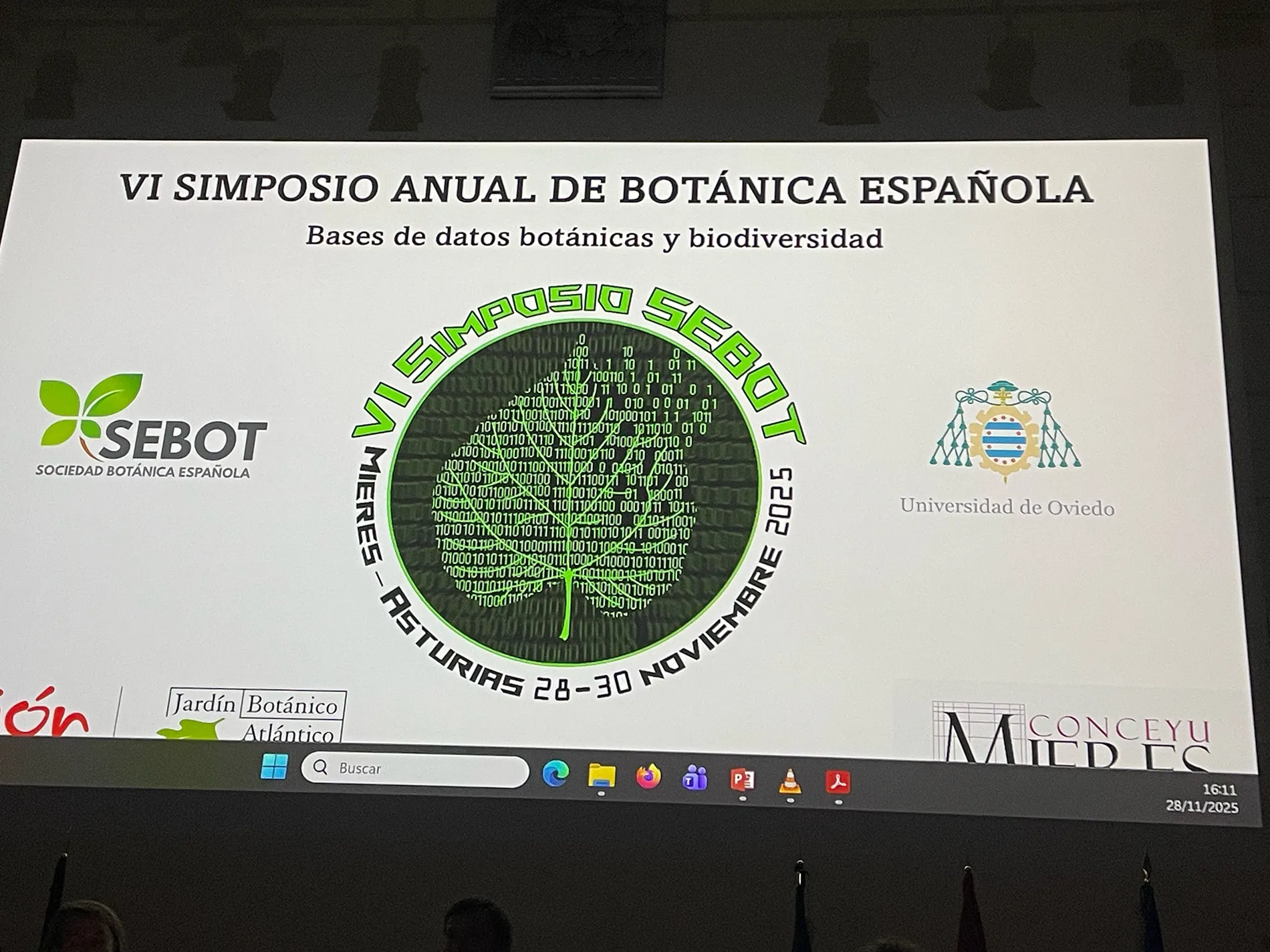
The sixth SEBOT symposium brings botanists together in Mieres
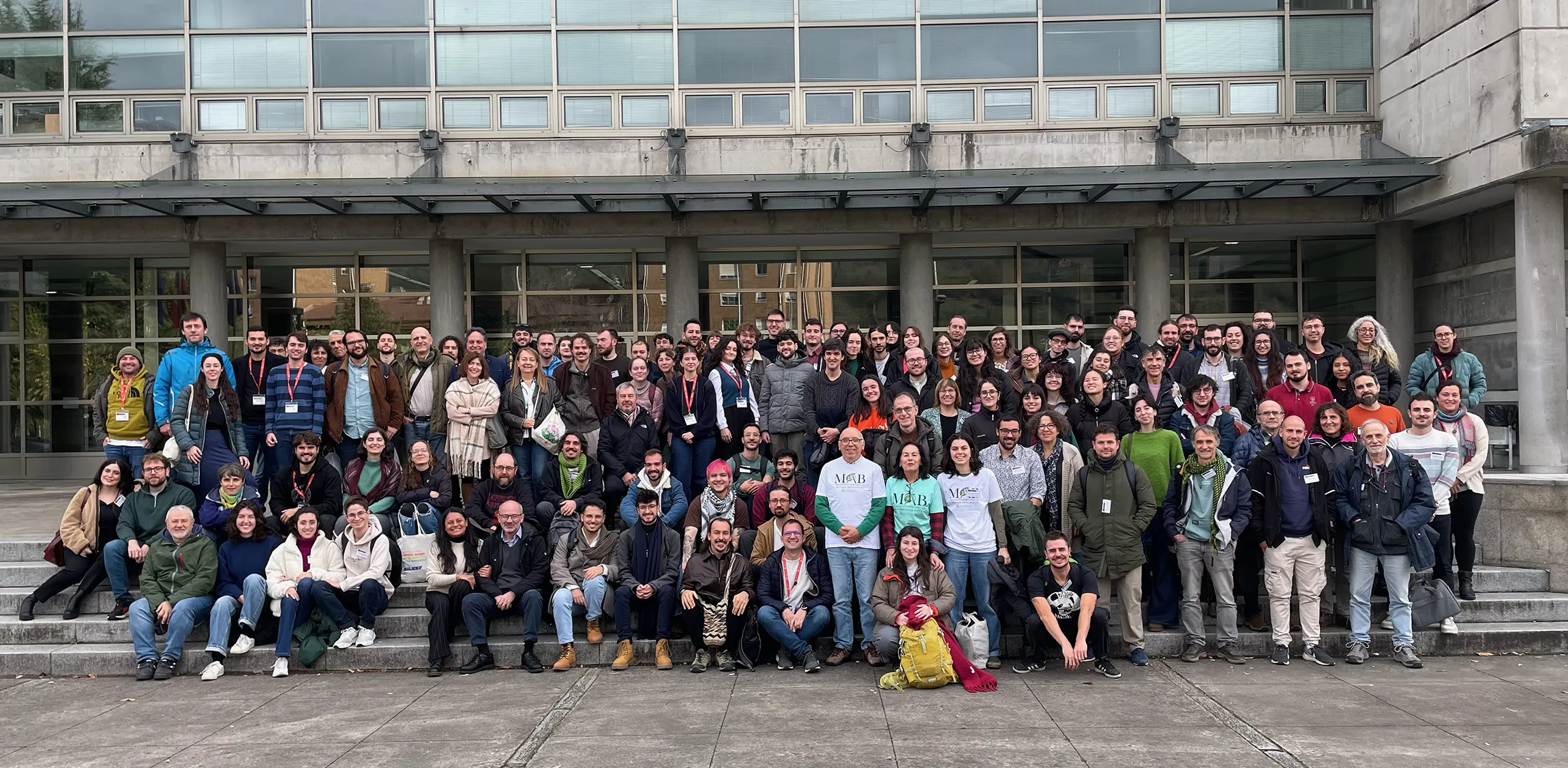
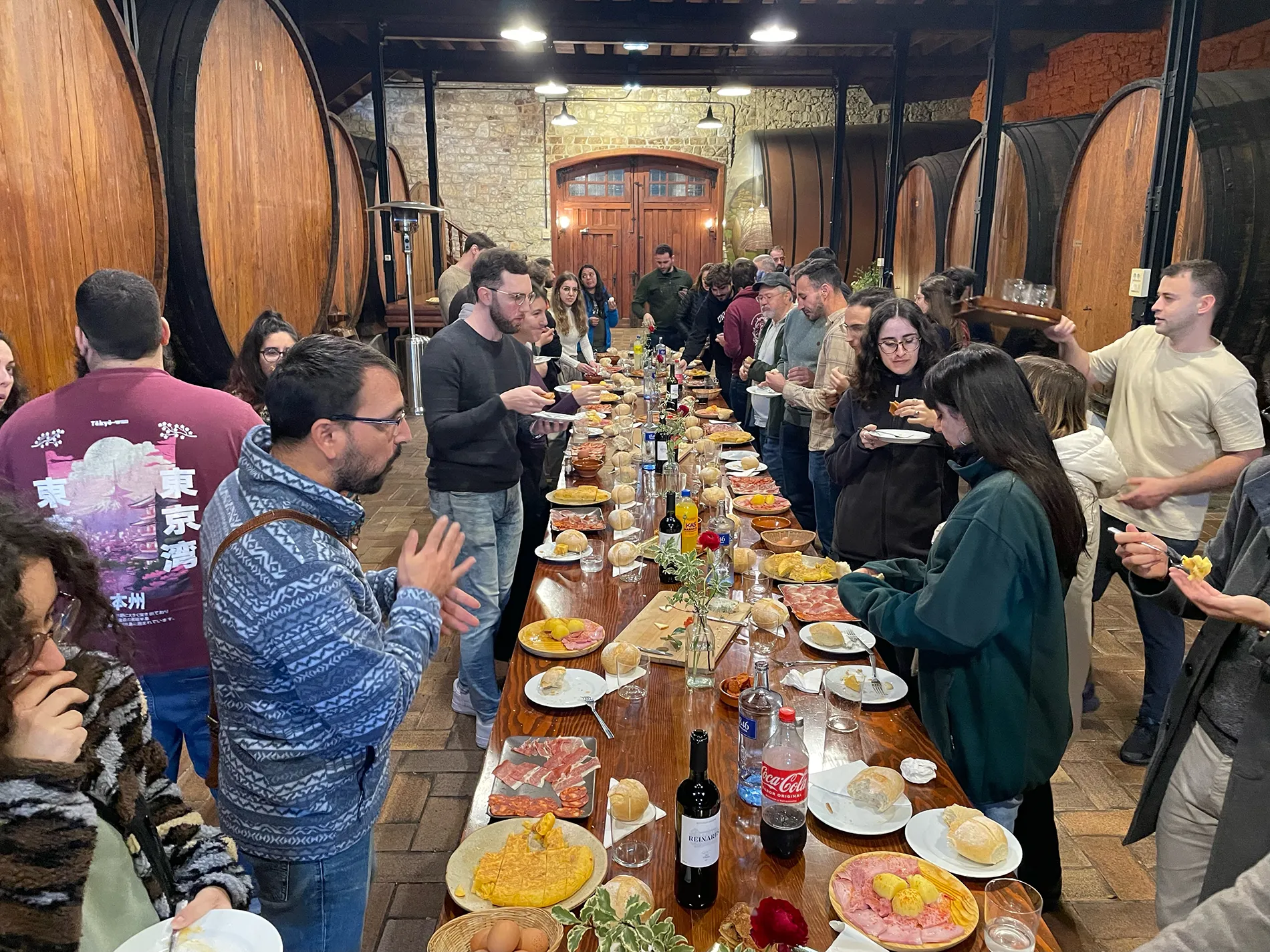
On 28 and 29 November, 145 botanists attended the latest edition of the Annual Botany Symposium, held under the title “Botanical databases and biodiversity (from the field notebook to Big Data)” and organised by the University of Oviedo. As usual, the majority of attendees were young botanists, who listened to and took part in the various talks and presented their work via posters covering a wide range of topics. The event concluded on Sunday 30th with a visit to the Atlantic Botanical Garden in Gijón and a traditional ‘espicha’ at a nearby cider house.
The next symposium will take place at the Castilla-La Mancha Botanical Garden in Albacete, organised by the University of Castilla-La Mancha.
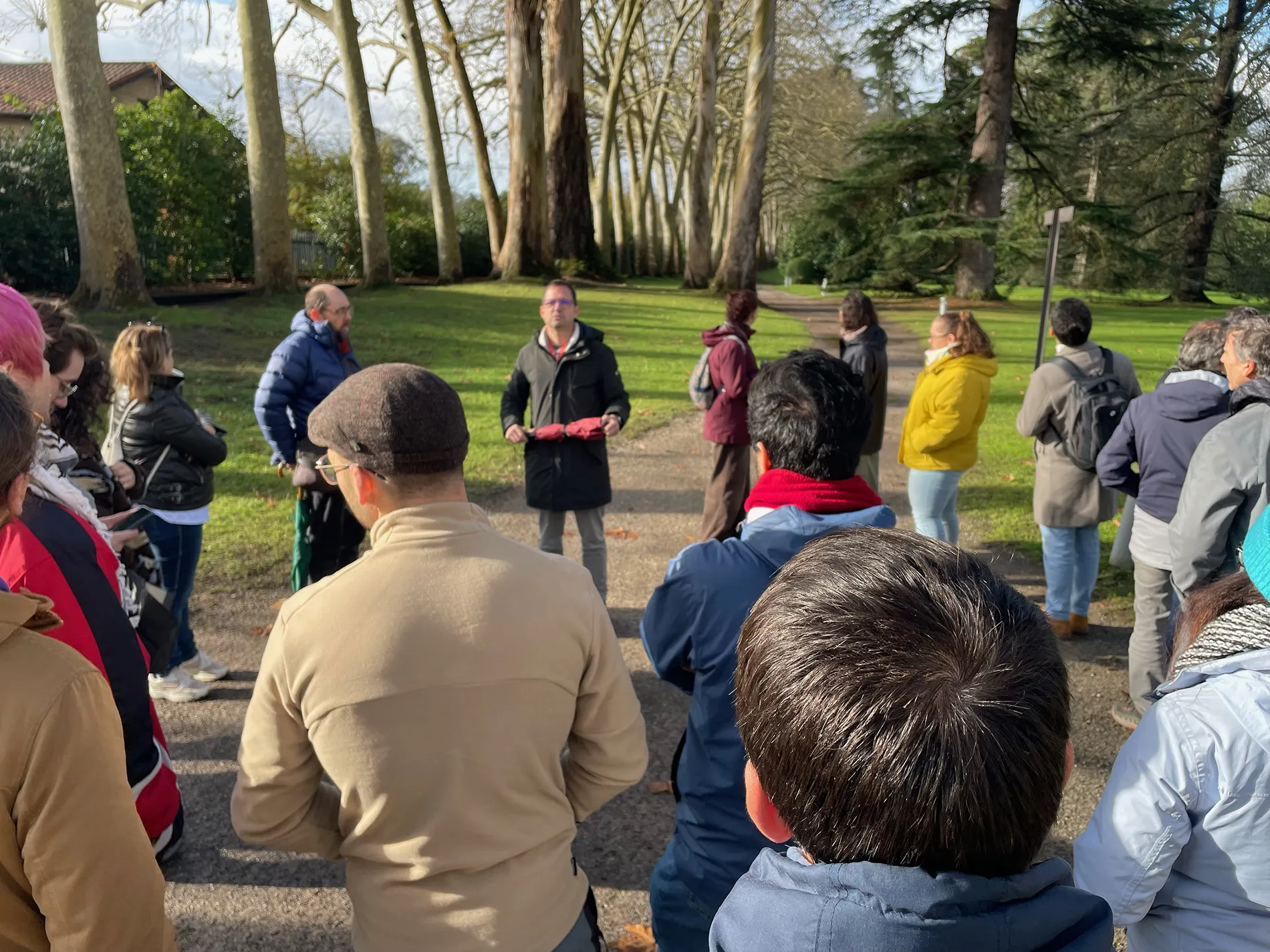
SEBOT is involved in drawing up the National Ecological Restoration Plan
